
Many people are curious about whether cannabis can be a tool for promoting focus, increasing energy, or supporting concentration. While research into these areas is still developing, there’s a lot of conversation about certain cannabis strains and product characteristics being linked to different mental effects. Instead of spotting one “best strain for concentration,” understanding the pieces that influence these effects can help people make more informed and responsible choices.

What Shapes a Cannabis Strain’s Effects?
Cannabis products are often labeled as sativa, indica, or hybrid. Traditionally, sativas are associated anecdotally with energetic or uplifting effects, while indicas bring relaxation or sedation. However, these categories can be unreliable predictors of how a strain might actually feel. Effects are shaped by much more than just the name on a label.
The real story lies in a strain’s chemical makeup. Cannabinoids like THC and CBD, along with terpenes (the aromatic compounds in cannabis), work together in what’s called the “entourage effect” to create different experiences. For example, strains high in THC may be stimulating for some, but too much can sometimes lead to scattered thinking or jitters, which isn’t ideal for tasks that demand concentration. CBD, found in lower amounts in most strains marketed for energy, can sometimes balance out those sharper effects, though research on this is still ongoing.

Which Terpenes and Profiles Get Talked About for Focus?
Terpenes like pinene, limonene, and terpinolene are often mentioned in connection with alertness or clarity. For instance, pinene is found in pine needles and is believed by some to aid mental clarity, while limonene, common in citrus rinds, is tied to a more uplifting feeling. Bear in mind, however, that such associations come from lab studies and user anecdotes, rather than robust clinical evidence.
With so much individual variation in how cannabis feels, reading a product’s test results and terpene profile can offer a starting point, but the real differences in focus and productivity come down to individual body chemistry, mindset, and environment.

Responsible Use and Realistic Expectations
It’s important to approach cannabis use with realistic expectations, especially for mental tasks or productivity. What works for one person may not work the same way for another, and effects can be highly dose-dependent. Too much THC, for example, can quickly get in the way of clear thinking, while lower doses may feel stimulating to some. Factors like tolerance, previous experience, and even the time of day can influence results.
For anyone interested in exploring cannabis for mental clarity, starting low and keeping track of which products and amounts feel supportive (without overpromising on concentration or output) is a grounded approach. Always follow state laws, never drive or work while under the influence, and consider talking to a knowledgeable dispensary staff member or healthcare provider when weighing new products or shifts in routine.

Choosing Products Thoughtfully
Instead of chasing a single “focus strain,” consider looking at product characteristics: sativa-leaning labels, transparent terpene profiles, and balanced THC-to-CBD ratios as a point of reference. Take a look at our top picks:
&Shine Durban Poison 2g Disposable: A potent sativa vape with 88.81% THC, known for uplifting, energetic, creative, and focused effects.
Wana Swift Recovery Cherry Cola | Gummies | Hybrid: Fast-acting hybrid edibles with 100mg each of THC, CBC, and CBG per 10-pack, formulated to promote calm, focus, uplifted feelings, and post-activity relaxation in as little as 5–15 minutes.
Fernway Honeycrisp 2g Traveler Pro: A sativa vape with 86.2% THC, featuring a crisp, juicy apple flavor and effects described as creative, energetic, focused, happy, and inspired.
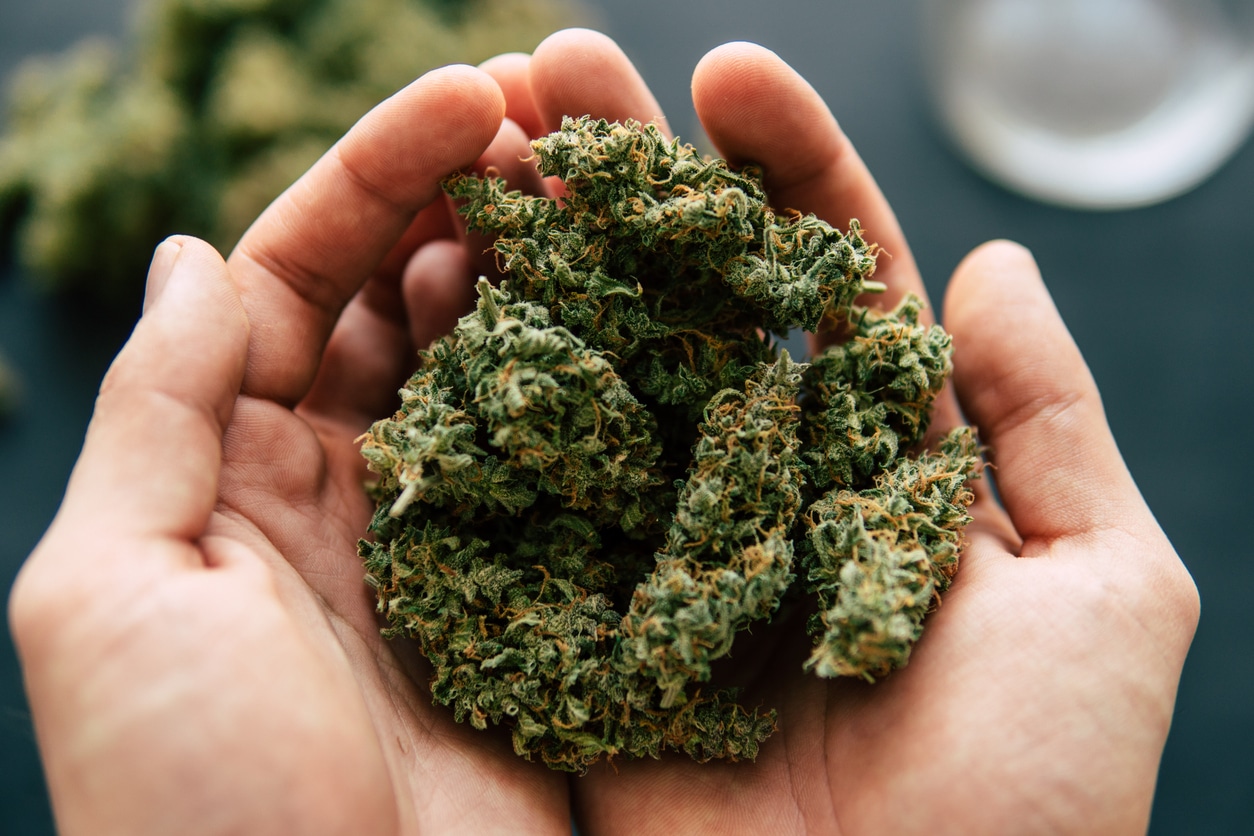
Rythm Afternoon Delight #4 | Premium Flower | Hybrid: A balanced hybrid with floral, citrus, and earthy diesel notes, offering a blissful, well-rounded cannabis experience in a 3.5g package.
In the end, approaching cannabis as a personal experience, and measuring expectations about its effects on focus or productivity, leads to safer and more satisfying choices.